Les meilleurs conseils de Dynamophilie
ici sur myballs.fun
 Deadlift
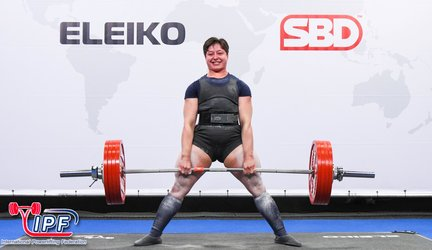
The deadlift, in powerlifting, is a test of raw strength. Here’s a breakdown of the techniques and rules
:
Powerlifting Deadlift Techniques:
- Stance:
- Conventional: Feet are typically hip-width apart.
- Sumo: Feet are wider, with toes pointed outward.
- The optimal stance varies depending on individual anatomy and leverages.
- Grip:
- Double overhand: Both palms facing the lifter.
- Mixed grip: One palm facing the lifter, the other facing away. This is often used for heavier weights.
- Hook grip: A specialized grip used by some lifters for maximum grip strength.
- Setup:
- The bar should be over the midfoot.
- Shins close to the bar.
- Back straight or slightly arched, avoiding rounding.
- Shoulders slightly in front of the bar.
- The Pull:
- Drive through the heels, pushing the floor away.
- Keep the bar close to the shins and thighs.
- Extend the hips and knees simultaneously.
- Maintain a straight back.
- Lockout:
- Stand tall with hips and knees fully extended.
- Shoulders back, but avoid excessive leaning back.
Powerlifting Deadlift Rules:
- Starting Position:
- The bar must start on the floor.
- Lifting:
- The lift must be completed in a single, continuous motion.
- Hitching (pausing and re-lifting the bar up the thighs) is not allowed.
- Lockout:
- The lifter must achieve a fully erect position with shoulders back, hips and knees locked.
- Lowering:
- The bar must be lowered back to the floor under control.
- Dropping the bar is allowed, but the lifter must maintain control until lockout.
- Equipment:
- Rules regarding belts, straps, and other equipment vary between powerlifting federations.
- Lifting straps are not allowed in raw powerlifting competitions, but are allowed in some equipped competitions.
- Commands:
- In some federations, the lifter must wait for a down command before lowering the bar.
Key Considerations:
- Proper setup is essential for a safe and effective deadlift.
- Maintaining a straight back is crucial to prevent injury.
- Grip strength is a significant factor in deadlifting.
- Variations in stance and grip can be used to optimize the lift for individual lifters.
- As with the other powerlifting events, rules can have slight variations depending on the powerlifting federation hosting the event.
Bench
The powerlifting bench press is a complex lift that requires precise technique and adherence to strict rules. Here’s a breakdown:
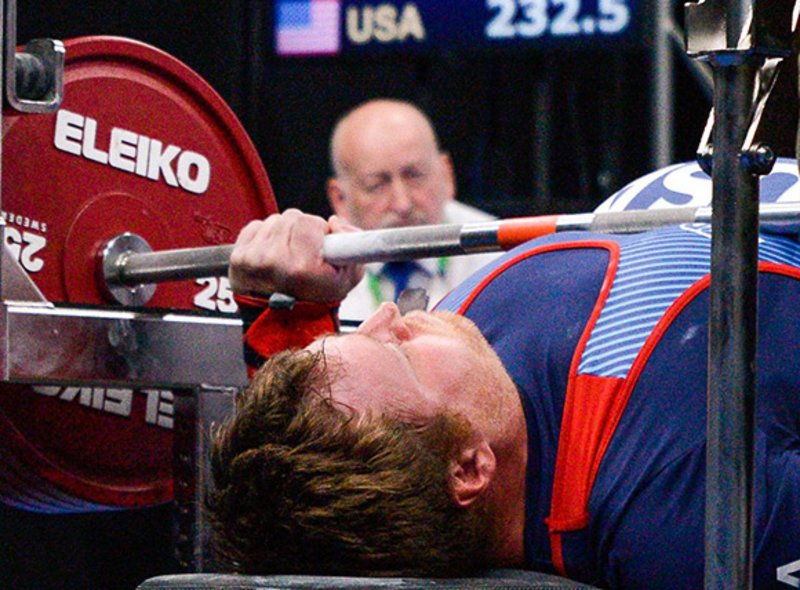
Powerlifting Bench Press Techniques:
- Setup:
- Lying on the bench with eyes under the bar.
- Feet flat on the floor, providing a stable base.
- Creating an arch in the back, which shortens the range of motion.
- Shoulder blades retracted and down, providing a stable platform.
- Grip:
- Grip width varies, but generally, it’s wider than shoulder-width.
- The bar should rest in the heel of the palm.
- A full grip (thumbs wrapped around the bar) is essential for safety.
- Descent:
- Lowering the bar in a controlled manner.
- The bar should touch a specific point on the chest, typically around the lower chest or upper abdomen.
- Maintaining the arch and retracted shoulder blades throughout the descent.
- Ascent:
- Driving the bar upward in a straight or slightly backward path.
- Maintaining leg drive to generate power.
- Locking out the elbows at the top of the lift.
- Leg Drive:
- A crucial component of the powerlifting bench press.
- Driving the feet into the floor to generate force and stability.
- This helps to transfer power from the legs to the upper body.
Powerlifting Bench Press Rules:
- Touch:
- The bar must touch the chest.
- The referee will look for a visible pause.
- Lift Off and Rack:
- In competition, the lifter will receive a “start” command after the bar is unracked.
- The lifter must wait for the “rack” command to return the bar to the rack.
- Butt and Head:
- The buttocks and head must remain in contact with the bench throughout the lift.
- Feet:
- The feet must remain in contact with the floor. Rules concerning heel placement can vary between federations.
- Bar Path:
- The bar must move in a controlled manner.
- Excessive bar movement or hitching can result in a failed lift.
- Lockout:
- The elbows must be fully locked out at the top of the lift.
- Equipment:
- Powerlifting federations have rules regarding approved bench press equipment, including bench press shirts, wrist wraps, and belts.
Key Considerations:
- Proper setup is critical for a successful bench press.
- Leg drive is a vital component of generating power.
- Maintaining a tight core and retracted shoulder blades is essential for stability.
- Seeking coaching from an experienced powerlifting coach can help refine technique and ensure adherence to rules.
- Rules can change slightly between different powerlifting federations, so it is important to know the rules of the federation you are competing in.
Squat
When it comes to the powerlifting squat, both technique and adherence to strict rules are crucial. Here’s a breakdown:
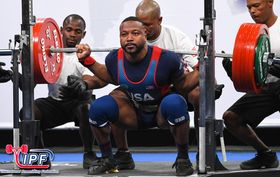
Powerlifting Squat Techniques:
- Stance:
- Typically, a wider stance than a standard squat is used in powerlifting. This helps engage the posterior chain (glutes and hamstrings).
- Toe angle varies, but generally, toes are pointed outward to some degree. This allows for proper knee tracking.
- Bar Placement:
- Powerlifters often use a “low-bar” squat, where the bar rests lower on the back, across the rear deltoids. This position allows for greater leverage and the ability to lift heavier weights.
- Alternatively, the “high bar” squat is also used.
- Descent:
- The descent should be controlled.
- The lifter aims to “break parallel,” meaning the hip crease must descend below the top of the knee. This is a critical rule in competition.
- Knee tracking is essential. Knees should track in line with the toes, avoiding “knee valgus” (knees caving inward).
- Ascent:
- The ascent should be powerful, driving through the heels.
- Maintaining a tight core and braced upper body is essential throughout the lift.
- Breathing and Bracing:
- Proper breathing and core bracing are vital for spinal stability.
- Lifters typically take a deep breath before the descent and hold it until they pass the sticking point on the ascent.
Powerlifting Squat Rules:
- Depth:
- The most critical rule is achieving proper depth. The hip crease must descend below the top of the knee.
- Stance and Movement:
- The lifter must maintain control throughout the lift.
- Excessive forward lean or rounding of the back can result in a failed lift.
- The lifter must not bounce or double-dip at the bottom of the squat.
- Command:
- In competition, the lifter must wait for the referee’s commands:
- “Start” (or a similar command) to begin the descent.
- “Rack” to return the barbell to the rack.
- In competition, the lifter must wait for the referee’s commands:
- Equipment:
- Powerlifting federations have strict rules regarding approved equipment, including:
- Belts
- Knee sleeves or wraps
- Squat suits (in equipped divisions)
- The rules regarding the equipment, can change depending on the powerlifting federation, that is being used.
- Powerlifting federations have strict rules regarding approved equipment, including:
- Foot placement:
- The lifters feet must remain flat on the platform during the lift.
Key Considerations:
- Proper warm-up is essential to prepare the body for heavy squats.
- Progressive overload is the key to increasing squat strength.
- Seeking guidance from an experienced powerlifting coach can help refine technique and prevent injuries.