Les meilleurs conseils de Dynamophilie
ici sur myballs.fun
 Bench
Bench
The powerlifting bench press is a complex lift that requires precise technique and adherence to strict rules. Here’s a breakdown:
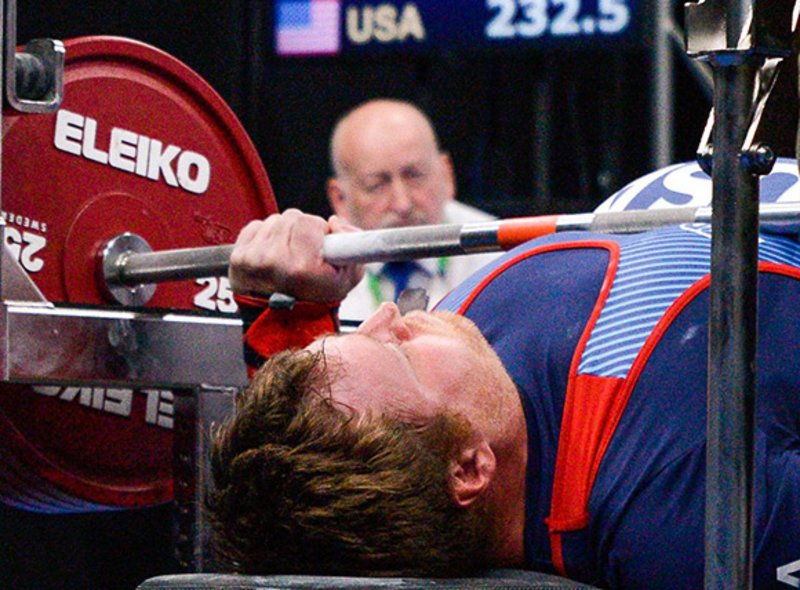
Powerlifting Bench Press Techniques:
- Setup:
- Lying on the bench with eyes under the bar.
- Feet flat on the floor, providing a stable base.
- Creating an arch in the back, which shortens the range of motion.
- Shoulder blades retracted and down, providing a stable platform.
- Grip:
- Grip width varies, but generally, it’s wider than shoulder-width.
- The bar should rest in the heel of the palm.
- A full grip (thumbs wrapped around the bar) is essential for safety.
- Descent:
- Lowering the bar in a controlled manner.
- The bar should touch a specific point on the chest, typically around the lower chest or upper abdomen.
- Maintaining the arch and retracted shoulder blades throughout the descent.
- Ascent:
- Driving the bar upward in a straight or slightly backward path.
- Maintaining leg drive to generate power.
- Locking out the elbows at the top of the lift.
- Leg Drive:
- A crucial component of the powerlifting bench press.
- Driving the feet into the floor to generate force and stability.
- This helps to transfer power from the legs to the upper body.
Powerlifting Bench Press Rules:
- Touch:
- The bar must touch the chest.
- The referee will look for a visible pause.
- Lift Off and Rack:
- In competition, the lifter will receive a “start” command after the bar is unracked.
- The lifter must wait for the “rack” command to return the bar to the rack.
- Butt and Head:
- The buttocks and head must remain in contact with the bench throughout the lift.
- Feet:
- The feet must remain in contact with the floor. Rules concerning heel placement can vary between federations.
- Bar Path:
- The bar must move in a controlled manner.
- Excessive bar movement or hitching can result in a failed lift.
- Lockout:
- The elbows must be fully locked out at the top of the lift.
- Equipment:
- Powerlifting federations have rules regarding approved bench press equipment, including bench press shirts, wrist wraps, and belts.
Key Considerations:
- Proper setup is critical for a successful bench press.
- Leg drive is a vital component of generating power.
- Maintaining a tight core and retracted shoulder blades is essential for stability.
- Seeking coaching from an experienced powerlifting coach can help refine technique and ensure adherence to rules.
- Rules can change slightly between different powerlifting federations, so it is important to know the rules of the federation you are competing in.