Les meilleurs conseils de Dynamophilie
ici sur myballs.fun
 Squat
Squat
When it comes to the powerlifting squat, both technique and adherence to strict rules are crucial. Here’s a breakdown:
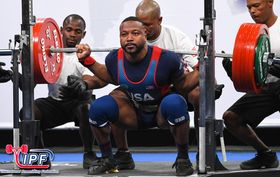
Powerlifting Squat Techniques:
- Stance:
- Typically, a wider stance than a standard squat is used in powerlifting. This helps engage the posterior chain (glutes and hamstrings).
- Toe angle varies, but generally, toes are pointed outward to some degree. This allows for proper knee tracking.
- Bar Placement:
- Powerlifters often use a “low-bar” squat, where the bar rests lower on the back, across the rear deltoids. This position allows for greater leverage and the ability to lift heavier weights.
- Alternatively, the “high bar” squat is also used.
- Descent:
- The descent should be controlled.
- The lifter aims to “break parallel,” meaning the hip crease must descend below the top of the knee. This is a critical rule in competition.
- Knee tracking is essential. Knees should track in line with the toes, avoiding “knee valgus” (knees caving inward).
- Ascent:
- The ascent should be powerful, driving through the heels.
- Maintaining a tight core and braced upper body is essential throughout the lift.
- Breathing and Bracing:
- Proper breathing and core bracing are vital for spinal stability.
- Lifters typically take a deep breath before the descent and hold it until they pass the sticking point on the ascent.
Powerlifting Squat Rules:
- Depth:
- The most critical rule is achieving proper depth. The hip crease must descend below the top of the knee.
- Stance and Movement:
- The lifter must maintain control throughout the lift.
- Excessive forward lean or rounding of the back can result in a failed lift.
- The lifter must not bounce or double-dip at the bottom of the squat.
- Command:
- In competition, the lifter must wait for the referee’s commands:
- “Start” (or a similar command) to begin the descent.
- “Rack” to return the barbell to the rack.
- In competition, the lifter must wait for the referee’s commands:
- Equipment:
- Powerlifting federations have strict rules regarding approved equipment, including:
- Belts
- Knee sleeves or wraps
- Squat suits (in equipped divisions)
- The rules regarding the equipment, can change depending on the powerlifting federation, that is being used.
- Powerlifting federations have strict rules regarding approved equipment, including:
- Foot placement:
- The lifters feet must remain flat on the platform during the lift.
Key Considerations:
- Proper warm-up is essential to prepare the body for heavy squats.
- Progressive overload is the key to increasing squat strength.
- Seeking guidance from an experienced powerlifting coach can help refine technique and prevent injuries.